By Callum Reid · Scottish Income Tax Specialist
Last Updated: May 2026
Quick Summary
- Always max your employer's pension match first — employer contributions are free money that no private pension can match, regardless of tax rates
- Scottish 42% taxpayers get different relief depending on which type of scheme they use — net pay arrangements deliver relief automatically; relief-at-source schemes require a Self Assessment claim or you lose 22% of your relief
- Around 700,000 UK taxpayers fail to claim higher-rate pension relief they're entitled to — at the Scottish 42% rate, unclaimed relief on a £10,000 SIPP contribution costs you £2,200 per year
- Use our free calculator — the Pension Tax Relief Calculator shows your exact relief at Scottish rates for both relief-at-source and net pay schemes
Scotland's income tax system creates a pension puzzle that English finance sites barely acknowledge. The same £10,000 pension contribution works very differently depending on which type of scheme it goes into — and whether you're a 20%, 21%, or 42% Scottish taxpayer.
Quick Answer: For Scottish taxpayers, workplace pensions with employer matching always come first — employer contributions are an immediate return that beats any tax saving. Beyond that, the choice between adding to your workplace pension or opening a private pension (SIPP) depends on the relief method used. Net pay workplace schemes give full Scottish rate relief automatically; relief-at-source private pensions only give 20% unless you claim the rest via Self Assessment. Scottish 42% taxpayers should absolutely claim the extra relief — but many don't, at a cost of thousands per year.
Contents
- The basic difference: workplace pension vs private pension
- Rule one: always take the employer match
- How pension tax relief works in Scotland
- The two relief methods — and why Scottish taxpayers must understand both
- Worked example: Scottish 42% taxpayer
- When a private pension (SIPP) beats your workplace scheme
- The missing relief problem
- Annual allowance and carry forward
- Scotland vs England: how the maths differs
- Recommended contribution order
- Frequently Asked Questions
The basic difference: workplace pension vs private pension
A workplace pension is arranged by your employer. Under auto-enrolment, your employer must contribute a minimum of 3% of your qualifying earnings, and you contribute a minimum of 5% — giving a total minimum of 8%. Many employers contribute more than the minimum, especially in the public sector (NHS, local councils, universities) or larger corporates.
A private pension — typically a Self-Invested Personal Pension (SIPP) — is a pension you open and manage yourself. There is no employer contribution. You choose the provider, the investments, and when and how much to contribute.
Both types benefit from tax relief on contributions. Both grow free of income tax and capital gains tax within the wrapper. Both can be accessed from age 57 (rising to 58 in 2028 for most schemes).
The critical difference for Scottish taxpayers is how tax relief is delivered — and the two mechanisms work quite differently.
Rule one: always take the employer match
Before anything else: if your employer offers to match your pension contributions up to a certain level, max that out. Always. No exceptions.
If your employer contributes 5% when you contribute 5%, that's an immediate 100% return on your money before a single pound of investment return. No SIPP, no ISA, no savings account comes close to that.
Only once you've reached the ceiling of employer matching should you think about whether additional contributions go into your workplace pension or a separate private pension.
💡 Money-saving tip: Some employers use salary sacrifice for pension contributions — where your contribution comes from your gross pay before tax and National Insurance. This saves you NI (8% for most Scottish workers) on top of income tax relief. Check whether your workplace scheme uses salary sacrifice; if so, it may be worth maximising before opening a SIPP. See our Salary Sacrifice Calculator for the full saving.
How pension tax relief works in Scotland
When you contribute to a pension, the government adds tax relief at your marginal rate — effectively returning the income tax you paid on the money.
For Scottish taxpayers in 2026/27:
| Scottish rate | Marginal rate | Relief on £1,000 contribution |
|---|---|---|
| Starter | 19% | £190 |
| Basic | 20% | £200 |
| Intermediate | 21% | £210 |
| Higher | 42% | £420 |
| Advanced | 45% | £450 |
| Top | 48% | £480 |
Source: Scottish Government income tax rates 2026/27
These are the relief rates you're entitled to. Whether you actually receive them in full depends on which relief method your scheme uses.
The two relief methods — and why Scottish taxpayers must understand both
Method 1: Relief at source
Used by: most personal pensions, SIPPs, some workplace schemes (NEST, NOW:Pensions, People's Pension).
How it works:
- You contribute from your net (after-tax) pay
- Your pension provider claims 20% basic rate from HMRC and adds it to your pot
- If you pay Scottish income tax at more than 20%, you must claim the extra via Self Assessment
For a Scottish Starter rate (19%) taxpayer: your provider claims 20%, meaning you actually get slightly more than you paid — the system overpays by 1%.
For a Scottish Basic rate (20%) taxpayer: your provider claims the right amount. No Self Assessment needed.
For a Scottish Intermediate rate (21%) taxpayer: you get 20% automatically, and must claim the remaining 1% via Self Assessment. Small but real.
For a Scottish Higher rate (42%) taxpayer: you get 20% automatically, and must claim the remaining 22% via Self Assessment. On a £10,000 contribution, that's £2,200 waiting to be claimed — but only if you file a return.
Method 2: Net pay arrangement
Used by: most occupational defined benefit (DB) and defined contribution (DC) workplace schemes (NHS, teachers, local government, many large employers).
How it works:
- Your contribution is deducted from your gross (pre-tax) pay before tax is calculated
- You automatically receive relief at your full Scottish marginal rate — no claim needed
- Your tax code reflects the reduced taxable income
For Scottish taxpayers on a net pay scheme, the relief is automatic and accurate. A Scottish 42% taxpayer paying £10,000 into a net pay scheme saves £4,200 in income tax without doing anything.
| Taxpayer | Relief-at-source (automatic) | Relief-at-source (total incl. SA claim) | Net pay (automatic) |
|---|---|---|---|
| Starter 19% | 20% (overpaid by 1%) | 20% | 19% |
| Basic 20% | 20% | 20% | 20% |
| Intermediate 21% | 20% | 21% (claim 1% via SA) | 21% |
| Higher 42% | 20% | 42% (claim 22% via SA) | 42% |
| Advanced 45% | 20% | 45% (claim 25% via SA) | 45% |
The net pay arrangement is genuinely better for higher-rate Scottish taxpayers in terms of admin — full relief is automatic. The relief-at-source method requires action on your part, but the total relief is identical if you claim.
Worked example: Scottish 42% taxpayer
Emma earns £55,000 and pays Scottish income tax at 42% on the slice above £43,663.
She contributes £10,000 gross to her pension. Here's how the two methods compare:
Relief-at-source SIPP:
- Emma pays £8,000 from her take-home pay
- Her SIPP provider claims £2,000 from HMRC (20%) — pot now £10,000
- Emma files Self Assessment and claims the extra 22% = £2,200
- Total cost to Emma: £8,000 − £2,200 = £5,800 for a £10,000 pension contribution
Net pay workplace scheme:
- Emma's employer deducts £10,000 gross from her pay before tax
- Her taxable income drops by £10,000, saving 42% × £10,000 = £4,200 in income tax
- Total cost to Emma: £5,800 for a £10,000 pension contribution — same result
The total relief is identical. The difference is admin: net pay gives it automatically; relief-at-source requires a Self Assessment return.
Try it yourself: Our free Pension Tax Relief Calculator calculates your exact pension relief at Scottish rates — for both relief-at-source and net pay schemes. No sign-up required.
When a private pension (SIPP) beats your workplace scheme
Once you've maxed employer matching, there are real reasons to open a SIPP alongside your workplace pension:
Investment choice
Most workplace auto-enrolment schemes offer 10–30 funds with limited choice. A SIPP from Vanguard, Fidelity, or AJ Bell gives access to thousands of funds, individual shares, bonds, ETFs, and investment trusts. For experienced investors, wider choice means better portfolio control.
Lower charges
Some workplace schemes charge 0.5–1% annually in fund management fees. Vanguard's SIPP charges 0.15% on assets up to £250,000 (capped at £375/year). Over 30 years, lower charges make a material difference to your retirement pot.
Consolidation
If you have multiple old workplace pensions from previous jobs, a SIPP gives you one place to consolidate them. Fewer accounts, simpler management, potentially lower combined charges. Before transferring, check whether your old schemes have guaranteed annuity rates or defined benefit entitlements — these can be valuable and should not be given up without advice.
Self-employment
If you're self-employed, there's no employer scheme. A SIPP or personal pension is your primary vehicle. You can contribute up to £60,000/year (the 2026/27 annual allowance) — or 100% of your earnings, whichever is lower.
The honest take
Your workplace scheme is almost certainly good enough for most of your pension saving — especially if your employer contributes generously or you're in a defined benefit (NHS, teachers, local government) scheme. The reason to open a SIPP isn't because your workplace scheme is bad; it's because investment choice and charges matter over 30 years, and a SIPP gives you more control. If you're a Scottish 42%+ taxpayer, the key is making sure you're actually claiming the full relief you're owed — don't assume your accountant or employer is doing it for you.
The missing relief problem
Research consistently shows around 700,000 UK taxpayers who are entitled to higher-rate pension relief on relief-at-source contributions don't claim it. At the Scottish 42% rate, on a typical £10,000 annual SIPP contribution, that's £2,200 per year left with HMRC.
Over 10 years, at modest growth, that's a very significant sum.
To claim the extra relief:
- Register for Self Assessment if you don't already file a return (HMRC online at gov.uk)
- Record your personal pension contributions on your SA return (Box 1 of the SA100 — "Payments to registered pension schemes")
- HMRC calculates your extended basic-rate band and issues a tax rebate or adjusts your tax code
If you pay via your employer's net pay scheme, no claim is needed — the relief is automatic. If you use a relief-at-source SIPP or personal pension, filing a return is how you get the full Scottish rate.
⚠️ Important: HMRC can only process claims going back 4 tax years. If you've been making SIPP contributions and not claiming the extra Scottish relief, check whether you can backdate your Self Assessment return. The deadline for claiming is the January 31 following the end of the relevant tax year.
Annual allowance and carry forward
For 2026/27, you can contribute up to £60,000 gross across all your pensions in one year (including employer contributions) without an annual allowance charge. Contributions above £60,000 are taxed as income.
If you haven't used your full allowance in the past three tax years, you can carry it forward. Carry forward requires:
- You were a member of a registered pension scheme in the year being carried forward from
- Your total contributions in the year of carry forward do not exceed £60,000 + the unused allowance
For very high earners (income + employer pension contributions above £260,000 in 2026/27), the annual allowance tapers down to a minimum of £10,000. Speak to a financial adviser if this applies to you.
Try it yourself: The Salary Sacrifice Calculator shows the combined income tax and NI saving if your workplace scheme uses salary sacrifice — useful for comparing the true cost of workplace vs SIPP contributions.
Scotland vs England: how the maths differs
The Scottish intermediate rate (21%) and higher rate (42%) create some specific differences worth knowing:
Starter-rate taxpayers (19%): A relief-at-source scheme gives them 20% — 1% more than they paid. This is a minor quirk, not a windfall — but it means Scottish starter-rate taxpayers are slightly better off in a relief-at-source scheme than a net pay scheme.
Intermediate-rate taxpayers (21%): An English basic-rate taxpayer earning the same income pays 20% and gets exactly right via relief-at-source. A Scottish intermediate taxpayer pays 21% and gets 20% via their provider — they must claim 1% back. Small, but worth doing.
Higher-rate taxpayers (42% in Scotland vs 40% in England): The Scottish 42% rate kicks in at £43,663 vs England's 40% starting at £50,270. Scottish higher-rate taxpayers get more pension relief — 42p per pound vs 40p — but the 42% rate also applies to a broader income range. The net effect is Scottish higher earners benefit more from pension contributions but face a higher tax rate on the income funding those contributions.
| Metric | Scotland | England |
|---|---|---|
| Higher rate threshold | £43,663 | £50,270 |
| Higher rate | 42% | 40% |
| Relief on £10k contribution (higher rate) | £4,200 | £4,000 |
| Extra benefit vs English equivalent | +£200 | — |
Source: Scottish Government / HMRC 2026/27 tax year.
Recommended contribution order
Based on the above, here's how to prioritise for most Scottish employees:
- Contribute enough to your workplace pension to get the full employer match — non-negotiable
- If your workplace scheme is a net pay defined benefit (NHS, teachers, local government) — maximise contributions here; you get full marginal-rate relief automatically and often very generous employer contributions
- If your workplace scheme is auto-enrolment defined contribution — assess fund quality and charges. If good, fill remaining annual allowance here
- Open a SIPP if your workplace scheme has poor fund choice or high charges, you want to consolidate old pensions, or you want to invest in specific assets not available in your workplace scheme
- File Self Assessment to claim any extra Scottish higher/intermediate rate relief on SIPP or personal pension contributions
If you're self-employed, step 1 doesn't apply — go straight to a SIPP or personal pension.
Frequently Asked Questions
Can I have both a workplace pension and a private pension at the same time?
Yes. There's no restriction on contributing to both simultaneously. Your total contributions across all schemes (including employer contributions) just need to stay within the £60,000 annual allowance. Many people have a workplace pension through their employer and a SIPP for additional self-directed saving.
What if I'm self-employed in Scotland?
Self-employed people have no employer scheme to contribute to. A SIPP or personal pension is your primary vehicle. You get tax relief at your marginal Scottish rate. If you use a relief-at-source SIPP, remember to claim the extra relief above 20% via Self Assessment. If you're profitable enough to consider a limited company structure, director pension contributions via the company can be very tax-efficient — worth discussing with an accountant.
Does salary sacrifice beat a private pension for Scottish taxpayers?
For Scottish higher-rate taxpayers, salary sacrifice is marginally better than a relief-at-source SIPP — because sacrifice also saves National Insurance (8% for earnings between £12,570 and £50,270) on top of income tax. Relief at source only saves income tax. However, salary sacrifice requires employer participation — you can't sacrifice salary into your own SIPP. If your employer offers salary sacrifice into the workplace scheme, use it. Use a SIPP for any contributions beyond the employer scheme.
What about the lifetime allowance?
The lifetime allowance was abolished from April 2024. There is no longer a cap on the total amount you can accumulate in pensions tax-free. However, the lump sum allowance (the maximum you can take tax-free on accessing your pension) is capped at £268,275 for most people. If you're a very high earner with very large pension pots, specialist advice is recommended.
When should I start making pension contributions?
The earlier the better — compound growth over 30–40 years is powerful. Even modest contributions in your 20s and 30s matter far more than large contributions starting in your 40s. That said, the priority order above still applies: employer match first, then additional contributions based on fund quality, charges, and the self-assessment implications of your relief method.
Books for getting the workplace-versus-SIPP balance right
Once you've grasped Scotland's relief-method quirk, these reads help you actually structure and invest your contributions.
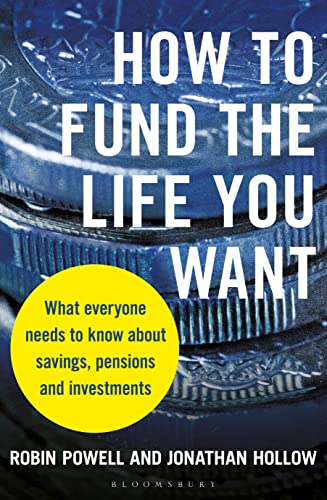


As an Amazon Associate, MoneySCOT earns from qualifying purchases. Book links are affiliate links — clicking them costs you nothing extra and helps support the site.
Related Articles
- How to Claim Higher-Rate Pension Relief in Scotland — step-by-step guide to Self Assessment claims
- NHS Scotland Pension: What You Actually Get — the most generous workplace scheme in Scotland explained
- Salary Sacrifice Scotland 2026/27 — the NI saving on top of income tax relief
- SIPP vs Workplace Pension Scotland 2026/27 — detailed comparison of investment options
- Pension Tax in Scotland: Drawdown and Lump Sum Rules — what you pay when you take money out
This article is for informational purposes only and does not constitute financial, tax, or legal advice. Tax rates and thresholds can change — always verify current rates with Revenue Scotland, HMRC, or mygov.scot, and speak to a qualified financial adviser for advice specific to your circumstances.
Sources
- Pension tax relief — HMRC guidance — GOV.UK
- Scottish income tax rates 2026/27 — Scottish Government
- Pension contributions and annual allowance — HMRC
- Auto-enrolment minimum contributions — The Pensions Regulator
- Pension schemes and tax relief — Financial Conduct Authority