Quick Summary
- 1995 Section members get an automatic tax-free lump sum of 3× their annual pension at retirement — no election required, and no ongoing pension income is sacrificed to receive it
- 2008 and 2015 Scheme members take a lump sum by commutation — giving up approximately £1 of annual pension per £12 of lump sum; whether this trade-off is worthwhile depends on your retirement age and tax position
- The lifetime tax-free cash limit is £268,275 — the Lump Sum Allowance (LSA) that applies across all your pensions combined; most NHS Scotland staff are well below this, but those with long 1995 Section service and other pensions should check
- Use the Scottish Income Tax Calculator to understand what marginal rate would apply to any lump sum amount above the LSA limit
NHS Scotland's pension lump sum is one of the biggest single payments most NHS workers will ever receive — often six figures, usually tax-free. But there's a lifetime limit and a commutation trade-off that you need to understand before retirement.
Quick Answer: NHS Scotland members in the 1995 Section receive an automatic lump sum of 3× their annual pension — tax-free up to the Lump Sum Allowance (LSA) of £268,275 across all pensions combined. Members in the 2008 and 2015 schemes can elect to commute annual pension into a lump sum at approximately £12 of lump sum per £1 of pension given up. Anything above the LSA is taxed at your marginal Scottish income tax rate. For most NHS Scotland staff, the entire lump sum falls within the £268,275 limit and is fully tax-free.
The three types of NHS Scotland lump sum
Understanding which kind of lump sum you have matters — because the rules, tax treatment, and trade-offs are different for each section.
1995 Section: the automatic lump sum
The 1995 Section pays an automatic lump sum equal to 3× the annual pension. There is no election to make — this is a scheme benefit, not a commutation of pension income. The lump sum and the pension are separate entitlements.
Formula: Annual pension = (Years ÷ 80) × Final salary. Lump sum = 3 × annual pension.
Example: A nurse with 30 years of 1995 Section service and a final salary of £50,000:
- Annual pension = (30 ÷ 80) × £50,000 = £18,750/year
- Automatic lump sum = 3 × £18,750 = £56,250
The nurse receives £56,250 on retirement day, tax-free (within the LSA), and then £18,750/year in pension income taxed as normal income.
1995 Section members can also elect to commute additional pension into a lump sum on top of the automatic amount, subject to the LSA limit.
2008 and 2015 Schemes: commutation
Neither the 2008 Section nor the 2015 Scheme provides an automatic lump sum. To receive a lump sum, members must elect to commute part of their annual pension — giving up pension income in exchange for a cash payment at retirement.
Commutation rate: Approximately £12 of lump sum per £1 of annual pension given up. SPPA publish the exact commutation factors in their tables; the £12:1 figure is an approximation and will vary depending on your age at retirement and the tables current at the time.
Example: A Band 7 physiotherapist with a 2015 Scheme pension of £22,000/year who wants a £60,000 lump sum:
- Pension given up = £60,000 ÷ 12 = £5,000/year
- Remaining pension after commutation = £22,000 − £5,000 = £17,000/year
- Lump sum received = £60,000
The key question — whether this trade-off is worthwhile — is explored in detail below.
PCLS: the tax framework
When you take a lump sum from any registered pension scheme, it is technically categorised as a Pension Commencement Lump Sum (PCLS). The 1995 Section's automatic lump sum and any commutation from 2008/2015 all fall under the PCLS framework. The tax-free limit for all PCLS payments across all your registered pensions in your lifetime is the Lump Sum Allowance (LSA) of £268,275.
The Lump Sum Allowance: £268,275
The LSA replaced the old Lifetime Allowance (LTA) framework in April 2024. It sets the total tax-free cash you can take across all pension arrangements in your lifetime — not in a single year, but cumulative across everything.
For NHS Scotland staff, the relevant calculation is:
- 1995 Section automatic lump sum: counted in full
- 2008/2015 commutation: counted in full
- Any SIPP or personal pension PCLS: counted in full
- All of these added together must not exceed £268,275
Example of approaching the limit:
A senior consultant with 40 years of 1995 Section service at a final salary of £75,000:
- Annual pension = (40 ÷ 80) × £75,000 = £37,500/year
- Automatic lump sum = 3 × £37,500 = £112,500
This uses £112,500 of the £268,275 LSA, leaving £155,775 for any future pension lump sums (from a SIPP or any commutation from 2015 Scheme benefits).
What happens above the LSA:
Any lump sum above £268,275 is taxed as income in the year it is received. In Scotland, this means it is subject to Scottish income tax at your marginal rate — potentially 19%, 20%, 21%, 42%, or 45% depending on your other income in that tax year.
For a Scottish taxpayer receiving a £300,000 lump sum (£31,725 above the LSA) with no other income:
| Component | Amount | Tax |
|---|---|---|
| First £268,275 | Tax-free (within LSA) | £0 |
| Excess (£31,725) | Taxable income | ~£3,800 (at Basic/Intermediate rate) |
The excess is added to all other income in the year — so if you're also drawing an NHS pension and State Pension, the excess lump sum could push you into a higher Scottish rate band.
Try it yourself
Calculate your Scottish income tax on any level of income — useful for modelling the tax on any lump sum amount that exceeds the £268,275 LSA limit.
Open Scottish Income Tax CalculatorNo sign-up required.
Worked examples at each section
1995 Section example — 35 years, final salary £55,000
A Band 8a paramedic with 35 years of 1995 Section service:
- Annual pension = (35 ÷ 80) × £55,000 = £24,063/year
- Automatic lump sum = 3 × £24,063 = £72,188
- LSA used: £72,188 of £268,275
- LSA remaining: £196,087
Result: the full £72,188 lump sum is tax-free. No election was needed. SPPA pays this on the first day of retirement.
2015 Scheme example — CARE pension £22,000, commutation to lump sum
A Band 7 physiotherapist with 2015 Scheme benefits of £22,000/year considers commuting £10,000/year of pension for a lump sum:
- Lump sum received: £10,000 × 12 = £120,000
- Pension retained: £22,000 − £10,000 = £12,000/year
- LSA used: £120,000 of £268,275
- Tax on £120,000: nil (within LSA)
Is it worth it? The break-even point is the year at which cumulative pension income given up equals the lump sum received:
- Annual pension sacrificed: £10,000/year
- Lump sum received: £120,000
- Break-even: 12 years after retirement
If this physiotherapist retires at 67 and lives to 79 or older, they would have been better off financially keeping the full pension. If they die at 75 (8 years into retirement), the commutation was the better financial choice in pure arithmetic terms.
But the calculation isn't purely about longevity:
- The £120,000 lump sum is received tax-free today
- The £10,000/year pension would be taxed annually at Scottish rates (potentially 20–42%)
- The lump sum can be invested; the foregone pension cannot
At a Scottish Basic rate of 20%, the after-tax value of that £10,000/year pension is only £8,000/year — extending the break-even to 15 years. At Higher rate (42%), it's £5,800/year — break-even at over 20 years. Seen this way, commutation can be very attractive for those expecting to pay significant income tax in retirement.
Combined sections example
A long-serving NHS manager with both 1995 and 2015 Scheme benefits:
| Section | Lump sum |
|---|---|
| 1995 Section automatic (25 years, £60,000 salary) | £56,250 |
| 2015 Scheme commutation (£50,000 elected) | £50,000 |
| Total lump sum | £106,250 |
| LSA limit | £268,275 |
| LSA remaining | £162,025 |
Both components are well within the LSA. The full £106,250 is tax-free.
Death benefits and the LSDBA
A separate allowance — the Lump Sum and Death Benefit Allowance (LSDBA) of £1,073,100 — governs tax-free death benefits. For NHS Scotland members, the relevant death benefit is:
Death in service: 2× pensionable pay, paid as a lump sum to the nominated beneficiary. This counts against the LSDBA.
Example: A Band 8c nurse dying in service at a salary of £90,808 would generate a death-in-service payment of £181,616. This is well within the LSDBA.
For most NHS Scotland staff, the LSDBA is not a binding constraint. It becomes relevant only for those with very large additional pension pots (large SIPPs combined with NHS pension lump sums and death benefits).
The death-in-service payment is typically tax-free (within the LSDBA). Survivor's pensions (paid to spouses/partners) are taxed as income in the hands of the recipient.
Scotland-specific considerations
The lump sum itself is unaffected by devolution. The tax-free cash rules (LSA, LSDBA, PCLS framework) are UK-wide and apply equally in Scotland and England. Scotland has not devolved pension tax rules.
But the pension income you keep is taxed at Scottish rates. After commuting some pension for a lump sum, the remaining pension is taxed as income — and Scotland's rates diverge from England's for income above the Basic rate band.
Scotland vs England on pension income: a comparison
Take two retired Band 7 nurses, one in Edinburgh and one in Leeds, both with:
- NHS pension: £25,000/year
- State Pension: £12,548/year
- Total: £37,548/year
| Scotland | England | |
|---|---|---|
| Total income | £37,548 | £37,548 |
| Less Personal Allowance | £12,570 | £12,570 |
| Taxable income | £24,978 | £24,978 |
| Tax: Starter band (£12,571–£16,537) | £754 (19%) | £793 (20%) |
| Tax: Basic band (£16,538–£29,526) | £2,598 (20%) | £2,598 (20%) |
| Tax: Intermediate band (£29,527–£37,548) | £1,684 (21%) | £1,605 (20%) |
| Total income tax | £5,036 | £4,996 |
| Difference | Scottish nurse pays £40 more | — |
The difference at this income level is modest. Scotland's 19% Starter rate saves a small amount on the first slice; the 21% Intermediate rate costs slightly more on the middle slice. Net result: Scottish pensioners with income around £37,000–£45,000 pay marginally more income tax than English equivalents — roughly £40–£100 per year.
The gap widens for higher income. A retired clinical director with £60,000 pension income pays 42% Scottish Higher rate on income £43,663–£60,000 — versus 40% English Higher rate, which does not begin until £50,270 — a difference of approximately £1,750/year.
Implications for commutation decisions:
Because pension income is marginally more expensive in Scotland, the tax argument for taking a lump sum (tax-free) rather than ongoing pension income (taxed) is slightly stronger in Scotland than in England. This is particularly true for higher earners.
Should you commute for a larger lump sum?
This is one of the most consequential decisions you'll make at retirement. The right answer depends on several factors that are specific to your situation.
Arguments for commuting (taking more lump sum):
- The lump sum is tax-free; the foregone pension is taxed annually
- If you expect to pay Scottish Higher or Advanced rate in retirement, the pension loses 42–45% of its value every year
- You can invest the lump sum and potentially earn more than the forgone pension
- Estate planning: a lump sum can be inherited; an NHS pension largely dies with you (beyond the survivor's pension)
- Certainty: the lump sum is in your hands immediately; the pension depends on SPPA continuing to pay
Arguments against commuting (keeping more pension):
- The break-even period is typically 12 years (or longer on an after-tax basis at lower rates)
- Pension income is index-linked — it rises with CPI every year; a lump sum you invest may or may not keep pace
- Longevity risk: if you live to 90, a larger pension income compounds significantly
- NHS pension income provides certainty and doesn't require active management
- At Basic/Starter rate, the after-tax pension income makes break-even around 13–15 years — achievable for most retirees
A rough rule of thumb:
If you expect to pay Scottish Higher rate (42%) or above in retirement and have good health, commutation tends to look attractive — the pension's after-tax value is substantially eroded. If you expect to be in the Intermediate band (21%) or below, and you have other sources of income or assets, keeping more pension income is usually the better long-term choice.
What the numbers look like at different tax rates:
| Pension given up | Lump sum (12:1) | After-tax pension per year | After-tax break-even |
|---|---|---|---|
| £5,000 | £60,000 | £3,950 (21% rate) | 15.2 years |
| £5,000 | £60,000 | £2,900 (42% rate) | 20.7 years |
| £10,000 | £120,000 | £7,900 (21% rate) | 15.2 years |
| £10,000 | £120,000 | £5,800 (42% rate) | 20.7 years |
These break-even periods assume the lump sum earns 0% real return. A modestly invested lump sum (say 3–4% real) could change this significantly — but investment returns are not guaranteed.
Try it yourself
Model how pension contributions and tax relief interact with your retirement income decisions at Scottish rates.
Open Pension Tax Relief CalculatorNo sign-up required.
Frequently Asked Questions
Is the NHS Scotland pension lump sum tax-free?
Yes — up to the Lump Sum Allowance of £268,275 across all your pension arrangements combined. The 1995 Section automatic lump sum and any commuted lump sum from the 2008 or 2015 sections are all tax-free within this limit. Most NHS Scotland staff receive lump sums well below £268,275, so the full amount is tax-free. Anything above £268,275 is taxed as income in the year it is received, at your marginal Scottish income tax rate.
What's the maximum tax-free cash I can take?
The maximum tax-free cash across all your pensions in your lifetime is £268,275 — the Lump Sum Allowance. This is a cumulative lifetime limit, not an annual one. If you have a 1995 Section automatic lump sum and later elect to commute some 2015 Scheme pension, both count toward the same £268,275. It also includes any PCLS from a SIPP or other personal pension. Once you've used the full allowance, any further lump sums are taxable.
Does taking the lump sum affect my State Pension?
No. Your NHS pension lump sum has no effect on your State Pension entitlement. The State Pension is based on your National Insurance contribution record, not on decisions you make about your NHS pension benefits. Taking a lump sum from SPPA does not reduce, delay, or otherwise affect the £241.30/week (£12,548/year) State Pension you receive from State Pension age.
Can I take the lump sum and keep working?
Yes. NHS Scotland has a "retire and return" policy that allows members (particularly 1995 Section members reaching age 60) to take their pension and lump sum and then return to NHS employment. In practice, you must retire fully — there is typically a break of at least 24 hours — before resuming employment. When you return to work, you build further pension benefits in the 2015 Scheme as a new member. The lump sum and 1995 Section pension you've already drawn are unaffected. Tax implications: drawing your pension while also receiving a salary means both are included in your total income for Scottish income tax purposes, which may push you into a higher band.
What happens to the lump sum if I die before retirement?
If you die before drawing your NHS pension, the relevant death-in-service benefit (2× pensionable pay) is paid to your nominated beneficiary rather than the retirement lump sum. The retirement lump sum is only payable on actual retirement. There is no lump sum paid to your estate simply because you had a large accumulated lump sum entitlement — the death-in-service rules apply instead. Nominating a beneficiary with SPPA for the death benefit is important; without a nomination, SPPA uses discretion in determining the payment.
Reading to sharpen your lump sum and commutation decision
Whether to take the tax-free cash or keep the pension income is a once-only call — these books help you weigh it properly.

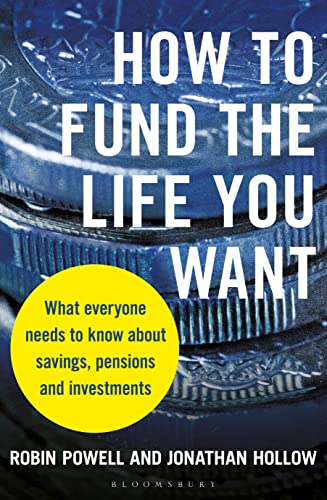
As an Amazon Associate, MoneySCOT earns from qualifying purchases. Book links are affiliate links — clicking them costs you nothing extra and helps support the site.
Related Articles
- NHS Scotland Pension Guide — The Complete Hub
- NHS Scotland Pension: 1995, 2008 and 2015 Sections Explained
- NHS Scotland Pension and the £100k Tax Trap
- Pension Drawdown Tax in Scotland
- How to Claim Higher Rate Pension Relief
This article is for informational purposes only and does not constitute financial, tax, or legal advice. Tax rates and thresholds can change — always verify current rates with Revenue Scotland, HMRC, or mygov.scot, and speak to a qualified financial adviser for advice specific to your circumstances.