Quick Summary
- NHS Scotland pays 22.5% of your salary into your pension — this is in addition to your own tiered contribution, and you never see it because it goes straight to SPPA
- At Band 6, that's £10,790 per year of extra pension value — money that doesn't appear on your payslip but is building your guaranteed retirement income
- Private sector employers typically contribute 3–6% — the NHS employer rate is three to seven times higher than most auto-enrolment minimum contributions
- Use the Take-Home Pay Calculator — the Take-Home Pay Calculator shows your full NHS package value, including the employer contribution in context
Every year, NHS Scotland pumps more than £10,000 into your pension on top of your salary. Most NHS staff have no idea exactly how much this is worth — or what they'd lose if they opted out or moved to a private sector employer.
The employer's share is the whole subject here. What you pay yourself is set out tier by tier in SPPA contribution tiers 2026/27, and how the scheme works end to end — pension age and what you get at retirement — is in our NHS Scotland pension guide.
Quick Answer: NHS Scotland contributes 22.5% of your pensionable salary to the NHS Superannuation Scheme (Scotland) on your behalf. You never see this money — it goes directly from your employer to SPPA and builds your defined-benefit pension. At the 2026/27 Band 6 midpoint of £47,955, that's £10,790 per year. For comparison, England's NHS employer rate is 23.7%, and a typical private sector auto-enrolment employer pays 3–5%. The employer contribution is included when calculating your Annual Allowance usage.
The 22.5% rate — what it means in pounds, band by band
The 22.5% employer contribution has been in place since April 2024 (previously it was 20.9%). It applies to your pensionable pay — the same figure used to calculate your own contributions.
| Band | Midpoint salary | Annual employer contribution |
|---|---|---|
| Band 2 | £27,842 | £6,265 |
| Band 3 | £30,256 | £6,808 |
| Band 4 | £32,920 | £7,407 |
| Band 5 | £38,792 | £8,728 |
| Band 6 | £47,955 | £10,790 |
| Band 7 | £57,156 | £12,860 |
| Band 8a | £67,714 | £15,236 |
| Band 8b | £79,570 | £17,903 |
| Band 8c | £94,073 | £21,166 |
| Band 8d | £110,118 | £24,777 |
| Band 9 | £130,283 | £29,314 |
Midpoint salaries from PCS(AFC)2026/1. Employer contribution = salary × 22.5%. The contribution is not adjusted for part-time working on a percentage basis — part-time staff receive 22.5% of their actual pensionable pay.
Try it yourself
Enter your pay to see the 22.5% employer contribution in pounds, alongside your own contribution and what it's worth after tax relief.
Open NHS Scotland Pension CalculatorNo sign-up required.
How it compares
Scotland vs England
NHS England's employer contribution rate is 23.7% — slightly higher than Scotland's 22.5%. On a Band 6 salary of £47,955, an English equivalent would see their employer contribute around £11,366 versus £10,790 in Scotland — a difference of £576 per year.
However, this advantage is largely offset by Scottish tax relief on employee contributions. Scottish Higher rate taxpayers (42%) get 2 percentage points more tax relief on their own contributions than English Higher rate payers (40%). On a £5,035 Band 6 contribution, that's an extra £101/year in tax savings for the Scottish member.
The net picture: England's package is marginally richer at the employer level; Scotland's is slightly better on employee-side relief. For most staff the difference is small.
NHS vs private sector
This is where the NHS pension really stands out.
| Employer type | Typical employer contribution rate |
|---|---|
| NHS Scotland | 22.5% |
| NHS England | 23.7% |
| Large private sector (with good pension) | 6–10% |
| Auto-enrolment minimum | 3% |
| Self-employed | 0% |
The UK's auto-enrolment minimum for employers is 3% of qualifying earnings. Most good private sector employers contribute 5–6%; a genuinely generous employer might reach 8–10%. The NHS at 22.5% is in a different league.
When comparing a private sector job offer to an NHS role, don't just look at salary. Add the employer pension contribution (22.5% of NHS salary) to the NHS offer when making the comparison. A £5,000 salary gap can easily be more than filled by the employer pension difference alone.
Scotland vs private sector: worked example
Band 6 nurse, £47,955:
- NHS salary: £47,955
- NHS employer pension: £10,790
- Total NHS package value (salary + employer pension): £58,745
Private sector equivalent role, £50,000:
- Private salary: £50,000
- Private employer pension at 5%: £2,500
- Total private package value: £52,500
The private sector role pays £2,045 more in salary but delivers £6,245 less in total package value. To match the NHS pension contribution, a private sector employer would need to pay a salary of around £58,500 with a 3% minimum contribution — or approximately £52,800 with a 10% contribution.
How the money flows
Understanding where the money goes matters, especially if you're thinking about opting out.
When you're an active member of the NHS Superannuation Scheme (Scotland):
- Your contribution is deducted from your gross salary before tax — you never see it
- Your employer's contribution (22.5%) is paid directly by NHS Scotland to SPPA — you never see this either
- SPPA records both against your membership record, and your pension grows based on the 1/54th CARE formula applied to your pensionable pay
- You don't get a pot — this is a defined benefit scheme. The contributions fund the scheme, but your pension entitlement is defined by the formula, not by how much has been paid in on your behalf
This is worth understanding because it means opting out doesn't "save" the employer contribution for you. If you opt out, your employer stops paying 22.5% — but that money goes back to the employer's budget, not to you. You lose it entirely.
Why it matters when comparing job offers
The employer contribution should be a central part of any job offer comparison. Many people focus purely on salary, which systematically undervalues NHS roles.
Example: Band 6 vs private sector offer
A newly qualified nurse is offered two roles:
- Option A: NHS Scotland Band 6 at £43,231 (bottom of Band 6 scale)
- Option B: Private sector clinical role at £46,000 with 5% employer pension
At first glance Option B looks better. But:
| Option A (NHS) | Option B (Private) | |
|---|---|---|
| Salary | £43,231 | £46,000 |
| Employer pension | £9,727 (22.5%) | £2,300 (5%) |
| Death in service | 2× salary = £86,462 | Depends on scheme |
| Defined benefit pension | Yes — guaranteed income for life | No — investment risk on member |
| Total package | £52,958 | £48,300 |
Option A is worth more — and that's before accounting for the certainty of a guaranteed pension versus an investment-linked one.
Try it yourself
Compare the real cost of your NHS pension contributions versus the value you're building — including employer contributions.
Open Pension Tax Relief CalculatorNo sign-up required.
Frequently Asked Questions
Has the employer rate changed recently?
Yes. The NHS Scotland employer contribution rate increased to 22.5% in April 2024, up from 20.9%. This followed an independent scheme valuation which determined a higher contribution rate was needed to fund the scheme's liabilities. The rate is set by HM Treasury following periodic valuations — the next full review is expected in the late 2020s, though interim adjustments are possible.
Do agency or bank staff get the same employer contribution?
This depends on how the work is contracted. Staff employed directly on a bank contract through an NHS board are typically members of the NHS pension scheme and receive the 22.5% employer contribution. Agency workers employed through an external agency are usually not members of the NHS scheme — they'll be in whatever workplace pension their agency provides (often auto-enrolment minimum of 3%). If you work bank shifts alongside a substantive post, you can usually also pension those earnings. Check with SPPA or your HR team.
Does the employer contribution count toward the Annual Allowance?
Yes. The NHS pension is a defined benefit scheme, so the Annual Allowance is calculated differently from a money purchase scheme. Your pension input amount for Annual Allowance purposes is based on the increase in your benefit entitlement during the year, multiplied by 16, plus any lump sum growth — not the actual cash contributions made. The employer contribution feeds into this calculation indirectly (by funding the benefit growth), but it doesn't appear as a line item. Most NHS staff well below consultant level won't approach the £60,000 Annual Allowance, but if you're in Band 8c+ or have significant additional income, it's worth checking. See the NHS Scotland £100k Tax Trap article for more.
Is the employer contribution shown on my payslip?
No. The employer contribution goes directly from NHS Scotland to SPPA and never appears on your payslip. You'll only see your own employee contribution deducted from gross pay. Your SPPA annual benefit statement will show total scheme inputs and the pension you've built, but won't itemise the employer cash flow separately. To see the full employer contribution rate, check the SPPA employer contributions page at pensions.gov.scot.
Books to help you cash in on that 22.5% employer contribution
Knowing the NHS pays 22.5% is one thing — these reads help you build the rest of your retirement plan around it.
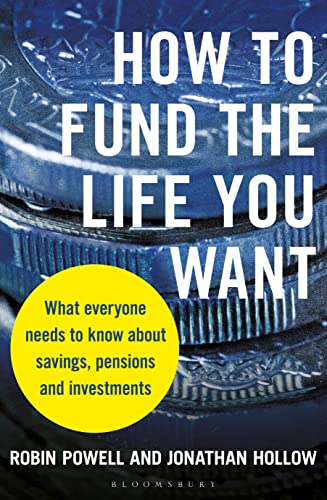

As an Amazon Associate, MoneySCOT earns from qualifying purchases. Book links are affiliate links — clicking them costs you nothing extra and helps support the site.
Related Articles
- NHS Scotland Pension Guide — the complete guide to scheme rules, benefits, and retirement planning
- SPPA Contribution Tiers 2026/27 — the full 9-tier employee contribution structure
- Opting Out of NHS Scotland Pension — exactly what you lose when you opt out
- Salary Sacrifice in Scotland — how to save NI on top of your income tax relief
- NHS Scotland Pension £100k Tax Trap — Annual Allowance and Personal Allowance issues for higher earners
This article is for informational purposes only and does not constitute financial, tax, or legal advice. Tax rates and thresholds can change — always verify current rates with Revenue Scotland, HMRC, or mygov.scot, and speak to a qualified financial adviser for advice specific to your circumstances.
Sources: SPPA employer contributions, NHS England employer contribution rates (NHSBSA)