Quick Summary
- 8% Additional Dwelling Supplement — Scotland charges ADS on the full purchase price of any additional property over £40,000, compared to England's 5% surcharge
- Rental income taxed at Scottish rates — up to 48% for top earners, versus 45% in England
- Section 24 restricts mortgage interest relief — you only get a 20% basic-rate tax credit, not full deduction, hitting higher-rate Scottish taxpayers hardest
- Use our free calculator — the Buy-to-Let Tax Calculator shows your true net yield after all Scottish taxes
Buy-to-let investment in Scotland carries a significantly higher tax burden than in England. Between the 8% ADS on purchase, higher income tax rates on rental profit, and Section 24 mortgage interest restrictions, Scottish landlords need to run the numbers carefully before committing. Many investors find their net yield is considerably lower than the gross figures suggest.
Quick Answer: Scottish buy-to-let investors pay 8% ADS on the full purchase price (vs 5% in England), income tax on rental profit at Scottish rates up to 48%, and get only a 20% basic-rate credit on mortgage interest under Section 24. On a £200,000 property with £850/month rent, the ADS alone costs £16,000 upfront. After tax and costs, a gross yield of 5.1% can shrink to a net yield of 2-3%. Use our Buy-to-Let Tax Calculator to see your true returns.
The cost of buying: LBTT and ADS
When you buy a buy-to-let property in Scotland, you pay two property taxes:
Standard LBTT
LBTT is calculated on progressive bands, the same as any property purchase:
| Purchase price band | Rate |
|---|---|
| Up to £145,000 | 0% |
| £145,001 – £250,000 | 2% |
| £250,001 – £325,000 | 5% |
| £325,001 – £750,000 | 10% |
| Over £750,000 | 12% |
Additional Dwelling Supplement (8%)
On top of standard LBTT, you pay the ADS — a flat 8% on the entire purchase price (not just the amount above a threshold). This applies to any additional residential property over £40,000.
The ADS increased from 6% to 8% on 5 December 2024. This is the single biggest cost difference between Scottish and English buy-to-let investments. On a £200,000 property, Scotland's ADS is £16,000 vs England's £10,000 surcharge.
Worked example: buying a £200,000 buy-to-let
| Tax | Amount |
|---|---|
| LBTT (standard bands) | £1,100 |
| ADS (8% × £200,000) | £16,000 |
| Total LBTT + ADS | £17,100 |
In England, the same purchase would cost:
| Tax | Amount |
|---|---|
| SDLT (standard bands; nil rate up to £125k, then 2% to £250k) | £1,500 |
| Surcharge (5% × £200,000) | £10,000 |
| Total SDLT + surcharge | £11,500 |
Scotland costs £5,600 more on the purchase alone (£17,100 vs £11,500). That's money you need to earn back through rental income before you break even compared to an English investment. Note: England's SDLT nil rate reverted from £250,000 to £125,000 in April 2025, narrowing the historical Scotland-England gap from earlier years.
ADS at common price points
| Purchase price | LBTT | ADS (8%) | Total | England equivalent |
|---|---|---|---|---|
| £100,000 | £0 | £8,000 | £8,000 | £5,000 |
| £150,000 | £100 | £12,000 | £12,100 | £8,000 |
| £200,000 | £1,100 | £16,000 | £17,100 | £11,500 |
| £250,000 | £2,100 | £20,000 | £22,100 | £15,000 |
| £300,000 | £4,600 | £24,000 | £28,600 | £20,000 |
If your purchase price isn't in the table, work out your exact bill with the LBTT calculator — it gives a band-by-band breakdown with or without ADS.
Try it yourself
Enter your purchase price and expected rent to see your full tax bill, yield, and net returns.
Open Buy-to-Let Tax CalculatorNo sign-up required.
Income tax on rental profit
Rental income is taxed as earned income in Scotland, using the 6-band Scottish income tax system. Your rental profit is added on top of your employment income, so it's typically taxed at your highest marginal rate.
How rental profit is calculated
Your taxable rental profit is:
Annual rent − allowable expenses = taxable profit
Allowable expenses include:
- Letting agent fees (typically 8-12% of rent)
- Maintenance and repairs (not improvements)
- Landlord insurance
- Accountancy fees
- Travel costs for property management
- Replacement of domestic items (furniture, appliances)
Important: Mortgage interest is NOT an allowable expense since Section 24 reforms. More on this below.
Tax at Scottish rates
If you earn £45,000 from employment and your rental profit is £8,000, your combined income is £53,000. The rental profit falls into the Higher rate band (42%):
- Income tax on £8,000 rental profit at 42% = £3,360
An English landlord on the same combined income would pay 40% on the rental profit = £3,200. Scotland costs £160 more per year in income tax on the same rental income.
At higher combined incomes, the difference is even starker:
| Combined income | Scottish rate on rental profit | English rate | Extra cost in Scotland |
|---|---|---|---|
| £30,000–£43,662 | 21% (Intermediate) | 20% (Basic) | 1% more |
| £43,663–£50,270 | 42% (Higher) | 20% (Basic) | 22% more |
| £50,271–£75,000 | 42% (Higher) | 40% (Higher) | 2% more |
| £75,001–£125,140 | 45% (Advanced) | 40% (Higher) | 5% more |
| Over £125,140 | 48% (Top) | 45% (Additional) | 3% more |
The most dramatic difference hits landlords with combined income between £43,663 and £50,270. In Scotland, rental profit in this range is taxed at 42%. In England, it's only 20% — a 22 percentage point gap.
Section 24: mortgage interest restrictions
Since April 2020, landlords can no longer deduct mortgage interest from rental income before calculating tax. Instead, you get a 20% basic-rate tax credit on your mortgage interest payments.
How this works in practice
Old system (pre-2020):
- Rental income: £10,000
- Mortgage interest: £6,000
- Taxable profit: £4,000
- Tax at 42%: £1,680
Current system (Section 24):
- Rental income: £10,000
- Allowable expenses (excl. mortgage): £2,000
- Taxable profit: £8,000
- Tax at 42%: £3,360
- Minus 20% credit on mortgage interest: £6,000 × 20% = −£1,200
- Net tax: £2,160
The difference: £480 more tax per year under Section 24. This hits Scottish Higher (42%), Advanced (45%), and Top (48%) rate taxpayers harder than their English equivalents, because the gap between their marginal rate and the 20% credit is larger.
Section 24 applies to all UK landlords, but the impact is worse in Scotland because the marginal tax rates are higher. A Scottish Top-rate taxpayer (48%) loses 28p of every £1 of mortgage interest to the tax system (48% − 20%), compared to 25p for an English Additional-rate taxpayer (45% − 20%).
Calculating net yield: a realistic example
Let's put it all together for a typical Scottish buy-to-let:
Property: £200,000, rent: £850/month, landlord earns £50,000 from employment
Annual income and costs
| Item | Amount |
|---|---|
| Annual rent | £10,200 |
| Letting agent (10%) | −£1,020 |
| Insurance | −£350 |
| Maintenance | −£800 |
| Mortgage interest (£120,000 at 5%) | −£6,000 |
| Net rental income (after costs) | £2,030 |
Tax calculation
| Item | Amount |
|---|---|
| Taxable profit (rent − expenses, excl. mortgage) | £8,030 |
| Income tax at 42% (Higher rate) | £3,373 |
| Section 24 credit (20% × £6,000 mortgage interest) | −£1,200 |
| Net income tax on rental profit | £2,173 |
Yield summary
| Metric | Value |
|---|---|
| Gross yield (£10,200 ÷ £200,000) | 5.10% |
| Net yield after all costs and tax | −0.07% |
| Annual net profit/loss | −£143 |
| Monthly cash flow | −£12 |
In this realistic scenario, the buy-to-let actually makes a small loss after Scottish tax and Section 24. The gross yield of 5.1% looked attractive, but once you account for the 42% tax rate, restricted mortgage interest relief, and running costs, there's nothing left.
The investor also paid £17,100 in LBTT + ADS upfront. It would take years of rental increases or capital growth to recover that cost.
Try it yourself
Enter your property details, rent, and costs to see your true net yield after Scottish taxes.
Open Buy-to-Let Tax CalculatorNo sign-up required.
Strategies for Scottish buy-to-let investors
1. Consider a limited company structure
Buying through a limited company means rental profit is taxed at corporation tax (25%) rather than your personal Scottish income tax rate. For a Higher-rate taxpayer, that's a significant saving. However, company purchases face higher mortgage rates and additional accounting costs. This only makes sense for larger portfolios or higher-rate taxpayers — consult an accountant. See our full limited company vs personal ownership guide for Scottish landlords for a complete breakdown.
2. Focus on higher-yield properties
To overcome the higher tax burden in Scotland, you need a higher gross yield. Properties in areas like Dundee, Aberdeen, and parts of Glasgow can offer 7-8% gross yields, which remain viable even after Scottish taxes. Edinburgh yields of 4-5% are much tighter.
3. Reduce your taxable income
Pension contributions reduce your taxable income, potentially dropping your rental profit into a lower Scottish tax band. If your combined income is just above the Higher-rate threshold (£43,663), a modest pension contribution could save you 21 percentage points on your rental tax.
4. Claim all allowable expenses
Many landlords miss legitimate expenses. Ensure you claim for: landlord insurance, safety certificates (gas, electrical, legionella), property management trips, professional fees, and replacement of domestic items. Every £100 of expenses saves £42 at the Higher rate.
Common mistakes Scottish landlords make
Forgetting ADS in the investment calculation
Many investors calculate yield based on the property price alone, forgetting the £16,000+ ADS that needs to be factored into total capital deployed. Your true yield should be calculated on purchase price plus LBTT/ADS plus other purchase costs.
Using English tax calculators
Most online buy-to-let calculators use English tax rates. A calculator showing 40% tax on rental profit is wrong for a Scottish taxpayer who pays 42%. That 2% difference on £10,000 of rental profit is £200/year — and the gap is wider at the Advanced and Top rates.
Ignoring the impact of Section 24 at Scottish rates
The Section 24 restriction hits Scottish landlords harder because the gap between their marginal rate and the 20% credit is larger. Always calculate your post-Section 24 position, not just your pre-tax yield.
Frequently Asked Questions
How much ADS do I pay on a buy-to-let in Scotland?
The ADS is 8% of the full purchase price on any additional residential property over £40,000. On a £200,000 buy-to-let, that's £16,000 on top of standard LBTT. This is significantly higher than England's 5% surcharge (£10,000 on the same property).
Can I reclaim ADS on a buy-to-let?
Generally no. ADS refunds are only available if you're replacing your main residence and sell the previous one within 36 months. Buy-to-let purchases are additional properties by definition, so the ADS is permanent.
Is rental income taxed differently in Scotland?
Yes. Rental income is taxed at Scottish income tax rates, which include 6 bands up to 48%. This is higher than England's rates for most taxpayers above the Basic rate threshold. The rental profit is added on top of your other income, so it's taxed at your highest marginal rate.
Should I buy a buy-to-let through a limited company in Scotland?
It depends on your personal tax rate and portfolio size. For Higher-rate (42%+) Scottish taxpayers, a limited company structure (taxed at 25% corporation tax) can be significantly cheaper. However, you'll face higher mortgage rates, additional accountancy costs, and cannot easily extract profits without further tax. Consult an accountant before deciding.
What expenses can I deduct from rental income in Scotland?
You can deduct letting agent fees, insurance, maintenance and repairs (not improvements), safety certificates, accountancy fees, and replacement of domestic items. You cannot deduct mortgage interest as an expense — instead, you receive a 20% basic-rate tax credit under Section 24.
How does Scottish buy-to-let compare to England for investors?
Scotland is more expensive on every measure: higher ADS (8% vs 5%), higher income tax rates on rental profit (up to 48% vs 45%), and the same Section 24 mortgage interest restriction hits harder at Scottish rates. The gap is most significant for investors with combined income in the Higher band (42%) and above.
Capital Gains Tax on exit: planning your Scottish BTL sale
When you sell a buy-to-let, you face Capital Gains Tax (CGT) on the gain. CGT is a UK-wide tax — the rates and rules are not devolved to Scotland, even though your income tax is.
For 2026/27, CGT on residential property is:
- 18% for basic-rate taxpayers (on the portion of gain within the basic-rate band)
- 24% for higher-rate taxpayers
Important: CGT uses UK income tax bands, not Scottish bands. A Scottish Advanced-rate taxpayer (45%) uses the UK Higher band (£50,271) to determine their CGT rate — not Scotland's £75,001 threshold. This means:
| Your Scottish income | CGT band used | CGT rate on property gain |
|---|---|---|
| Under £50,271 | UK Basic | 18% |
| Over £50,271 | UK Higher | 24% |
A Scottish teacher on £45,000 is in Scotland's Higher band (42%) but uses the UK Basic band for CGT — paying 18% on any residential property gain, not 24%. An English colleague on the same salary uses the same UK threshold and pays the same CGT rate.
The annual exempt amount for 2026/27 is £3,000. Only gains above this are taxable.
Worked example: You bought a Glasgow flat in 2014 for £140,000, sell in 2026 for £220,000. Gain: £80,000. Less annual exempt amount: £3,000. Taxable gain: £77,000. At 24% (assuming salary over £50,271): £18,480 CGT.
Compare: if you sell immediately after a year in which your income dropped below £50,271 (e.g. a gap year or career break), you pay 18% instead: £13,860 — a £4,620 saving purely from timing.
Mixed-use property: residential and commercial under one roof
If you own a property used for both residential and commercial purposes — a flat above a shop you rent out, a farmhouse with a business unit, or a traditional tenement flat converted to a professional office — the tax position is more complex.
LBTT: Mixed-use properties use the non-residential LBTT rates if the non-residential element is more than incidental:
| Purchase price | Non-residential LBTT rate |
|---|---|
| Up to £150,000 | 0% |
| £150,001 – £250,000 | 1% |
| Over £250,000 | 5% |
This is dramatically cheaper than residential rates at most price points, and ADS does not apply to non-residential purchases. A £300,000 mixed-use property pays £2,500 in LBTT (non-res rates) vs £28,600 for a pure residential purchase — a saving of £26,100.
The catch: You must apportion rental income between residential and commercial use. The residential portion is subject to income tax at Scottish rates (and Section 24 for mortgage interest). The commercial element is subject to income tax but with full mortgage interest deduction — Section 24 only applies to residential lets. Detailed records of use and apportionment are essential.
Limited company exit: getting money out after tax
Many Scottish landlords incorporate into a limited company to avoid Section 24. The company pays corporation tax (25%) rather than personal income tax. But getting money out creates a second tax layer.
The extraction methods:
- Salary: Taxed at Scottish income tax rates (up to 48%) + NI. Expensive but simple.
- Dividends: Company pays 25% corporation tax first, then you pay dividend tax at 35.75% (Higher rate) on distributions. Combined effective rate: ~43%.
- Director's loan: Can borrow up to £10,000 tax-free per year (or pay a benefit-in-kind charge for larger amounts). Not a long-term strategy.
- Pension contributions from the company: Company pension contributions are deductible against corporation tax. For a Scottish Higher-rate director, company pension contributions save 25% corporation tax, and pension withdrawals in retirement may be at a lower rate. This is the most tax-efficient route for long-term investors.
The double-tax problem: For existing landlords who incorporated (paying LBTT, ADS, and CGT to transfer properties), getting the money back out eventually faces another tax layer. The decision to incorporate is only financially sound if you plan to hold the properties long-term and extract money tax-efficiently — not if you plan to sell within a few years.
We're building the Scottish Landlord Portfolio Tracker — a spreadsheet that will calculate your annual rental profit, track mortgage interest against the 20% basic rate credit (Section 24), and estimate your Scottish income tax liability as a landlord. It's not on sale yet; join the waitlist on the product page.
Try it yourself
Calculate CGT on property or investments at your Scottish income tax rate — 18% or 24% depending on your band.
Open Capital Gains Tax CalculatorNo sign-up required.
Books for landlords running the numbers
If ADS, Section 24 and Scottish rates have you rethinking your BTL, these three help you model returns and keep more profit.

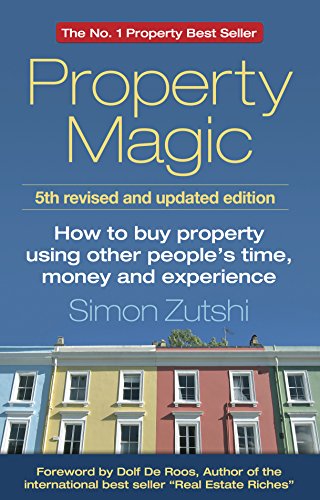

As an Amazon Associate, MoneySCOT earns from qualifying purchases. Book links are affiliate links — clicking them costs you nothing extra and helps support the site.
Related Articles
- LBTT Explained: Scotland's Property Tax — full guide to LBTT bands and ADS
- Section 24 Mortgage Interest at Scottish Tax Rates — why Section 24 hits Scottish landlords harder than English ones
- Limited Company vs Personal Ownership for Scottish Landlords — when incorporation makes financial sense
- ADS Refund Guide — can you reclaim the Additional Dwelling Supplement?
- Capital Gains Tax Scotland — CGT rates and planning on your BTL exit
- Is Buy-to-Let Worth It in Scotland 2026? — net yield analysis at current Scottish rates
This article is for informational purposes only and does not constitute financial, tax, or legal advice. Tax rates and thresholds can change — always verify current rates with Revenue Scotland, HMRC, or mygov.scot, and speak to a qualified financial adviser for advice specific to your circumstances.
Sources: Revenue Scotland — LBTT and ADS, Scottish Government — Income Tax rates, HMRC — Section 24 mortgage interest restriction, HMRC — Property income allowable expenses